Generation Alpha Gets IT on Education & Careers
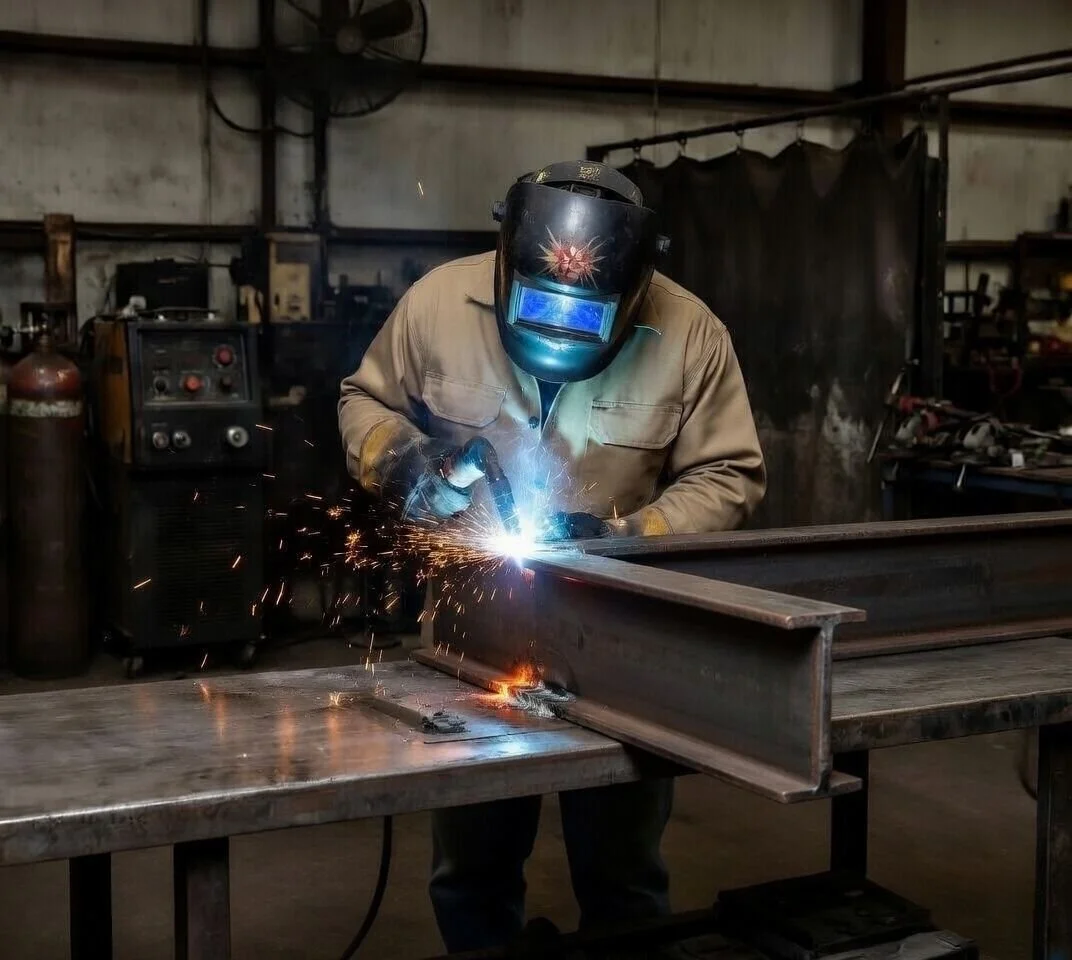
A Successful Careers Path is just as Essential as Healthy Diet & Fitness
First, I would like to note why I am writing about trades and highly skilled jobs. Because, without a challenging job that is fulfilling a person’s mental and physical health is jeopardized. The Bible focuses on work as well. Just like sports, physical challenges are beneficial to the mind and body. This is why I decided to write about trade skills that Mike Rowe has been preaching for decades.
Generation Alpha, born between 2010 and 2024, is coming of age amid striking scenes of campus unrest. At elite institutions like Columbia University and other Ivy League schools, liberal arts students have made headlines for denigrating peers, assaulting individuals, and vandalizing property during protests.
These same students often lament the lack of job opportunities after graduation, pointing fingers at the economy while holding degrees in fields with limited direct demand. In a high tech world, a liberal arts degree is essentially a high school degree, just more expensive. For Gen Alpha watching from afar—via smartphones and news feeds—this serves as a cautionary tale about mismatched expectations and the high cost of impractical education.
High Skill Trades are where the Jobs Gone to
The job market does offer opportunities, but not necessarily for standalone liberal arts degrees. Entry-level roles in humanities, general studies, or related fields often pay modestly and require additional skills or experience to advance. Tuition for a four-year degree can range from $20,000 to $80,000 or more, leaving graduates with debt and credentials worth a fraction of that investment in many cases.
Gen Alpha appears to be internalizing this lesson faster than previous generations, Y and Z. Rather than chasing prestige, many are eyeing skilled trades that demand only 18 to 24 months of targeted training at a fraction of the cost.
Community colleges stand out as smart gateways. These institutions provide degrees and certification programs in high-demand fields like welding, HVAC, electrical work, plumbing, carpentry, lineman, and machining. Many bundle the training with an associate degree, offering a versatile credential. Costs are dramatically lower than four-year universities, and programs emphasize hands-on learning that leads directly to employment.
Welder’s T-Shirt 100% 6.1 oz. Cotton Comfort Colors Navy Blue comes in Small, Medium, Large, X-Large, 2X-Large, and 3X-Large; can be ordered from my online store. Please select the image below:

The caption reads:
I DON’T NEED THERAPY; I JUST NEED TO BURN RODS, SMELL FLUX, AND ENJOY HEAVY METAL, I’M JUST A WELDER
Graduates often enter the workforce earning competitive salaries with minimal debt, enjoying strong job security amid infrastructure needs and retiring baby boomers.
Mike Rowe Call to Action is being Received by Generation Alpha
This approach echoes the long-standing advocacy of figures like Mike Rowe, who has championed blue-collar careers for decades. His message resonates: right out of high school, young people can join the U.S. military for discipline, benefits, and technical training, or enroll in community college trade programs.
These paths build immediate value. If further education becomes necessary, perhaps a bachelor's for advancement can be pursued affordably through online courses or night classes while maintaining employment and income.
My personal Story illustrates the point
As a retired grid engineer with 35 years as a civil engineer designing steel structures, I specified welds on my structural steel designs but never had the pleasure of burning rods and smelling that flux. Nearing retirement however, I enrolled in a community college welding program to gain practical skills for a second career. The experience was eye-opening and empowering.
Burning rods and smelling flux connected theory to reality for me, proving that trades complement professional backgrounds and keep individuals active and relevant.
Liberal arts education has value when paired with marketable skills, but a standalone “liberal arts” degree without a trade or technical foundation risks becoming one of the least useless practical investments. Generation Alpha seems to recognize this. By prioritizing trades, military service, or hybrid paths, they can sidestep debt traps and campus disillusionment.
In doing so, they model a pragmatic future: work ethic over protest, competence over complaint, and self-reliance over entitlement. Parents and educators would do well to highlight these options early.
PLEASE DOWNLOAD A FREE COPY OF MY FULL-BODY WORKOUT CHART THAT I FOLLOW AT AGE 68, PLEASE CLICK BELOW IMAGE:

My books on Amazon Kindle that are in E-Book and Paperback