Understanding Blood Pressure, Pulse, and Exercise:
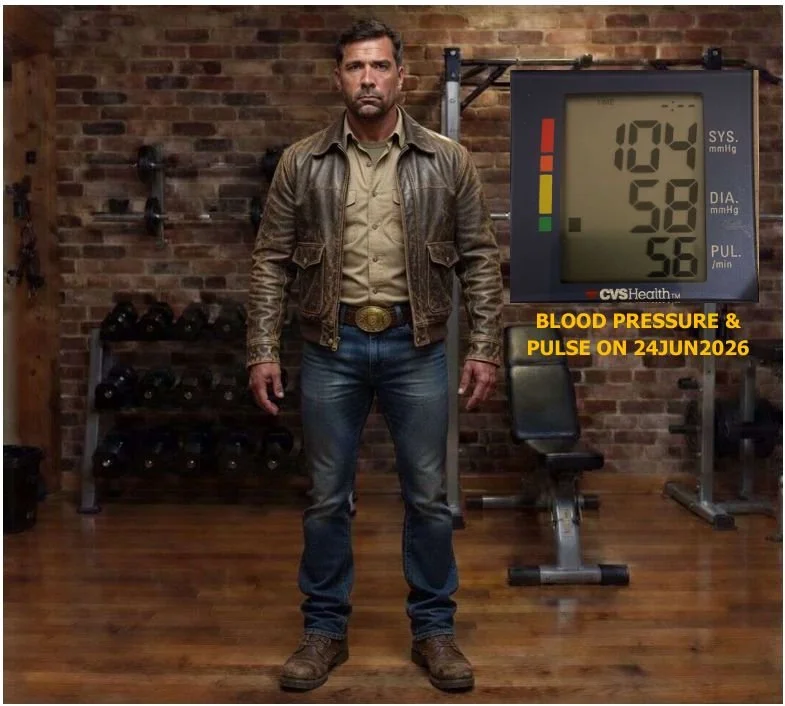
Shown in this featured image is my blood pressure and pulse rate 60- minutes after I worked out this morning at 6:00 a.m. for 60- minutes performing my cardio workout at age 68. I AM NOT ON ANY PRESCRIBED MEDICATION OF ANY TYPE OR KIND.
Key Insights for Heart Health
I take my blood pressure and pulse every day approximately 60 minutes after my workouts to evaluate my overall cardiovascular health. I exercise six-days per week between 50 – 60 minutes each workout session where I have three days of strength training and three days of cardio training. My pulse is usually elevated during my cardio training rather than my strength training.
Blood pressure and pulse (heart rate) are fundamental vital signs that reveal important details about cardiovascular function. While they are related, they measure different aspects of heart performance. Knowing their healthy ranges, how they interconnect, and how to safely elevate pulse during cardio exercise can help individuals maintain optimal health and reduce risks of heart disease and stroke.
Blood Pressure Basics and Healthy Range
Blood pressure measures the force of blood pushing against artery walls, recorded as systolic (top number, during heartbeats) over diastolic (bottom number, between beats) in mmHg. According to the American Heart Association, a healthy blood pressure for most adults is less than 120/80 mmHg.
Normal: Less than 120 systolic and less than 80 diastolic.
Elevated: 120–129 systolic and less than 80 diastolic.
Stage 1 Hypertension: 130–139 systolic or 80–89 diastolic.
Stage 2 Hypertension: 140+ systolic or 90+ diastolic.
Readings naturally vary with activity, stress, and time of day. Consistently high blood pressure damages arteries over time, while symptomatic low pressure (below 90/60 mmHg) can cause dizziness. Lifestyle factors like diet, exercise, and weight management play major roles in control.
Pulse (Heart Rate) and Healthy Range
Pulse counts heartbeats per minute (bpm) and reflects how efficiently the heart pumps blood. A normal resting heart rate for adults is 60 to 100 bpm. Highly fit individuals, such as athletes, may have resting rates as low as 40–60 bpm. Rates above 100 bpm (tachycardia) or below 60 bpm (bradycardia) at rest may indicate issues if persistent or symptomatic.
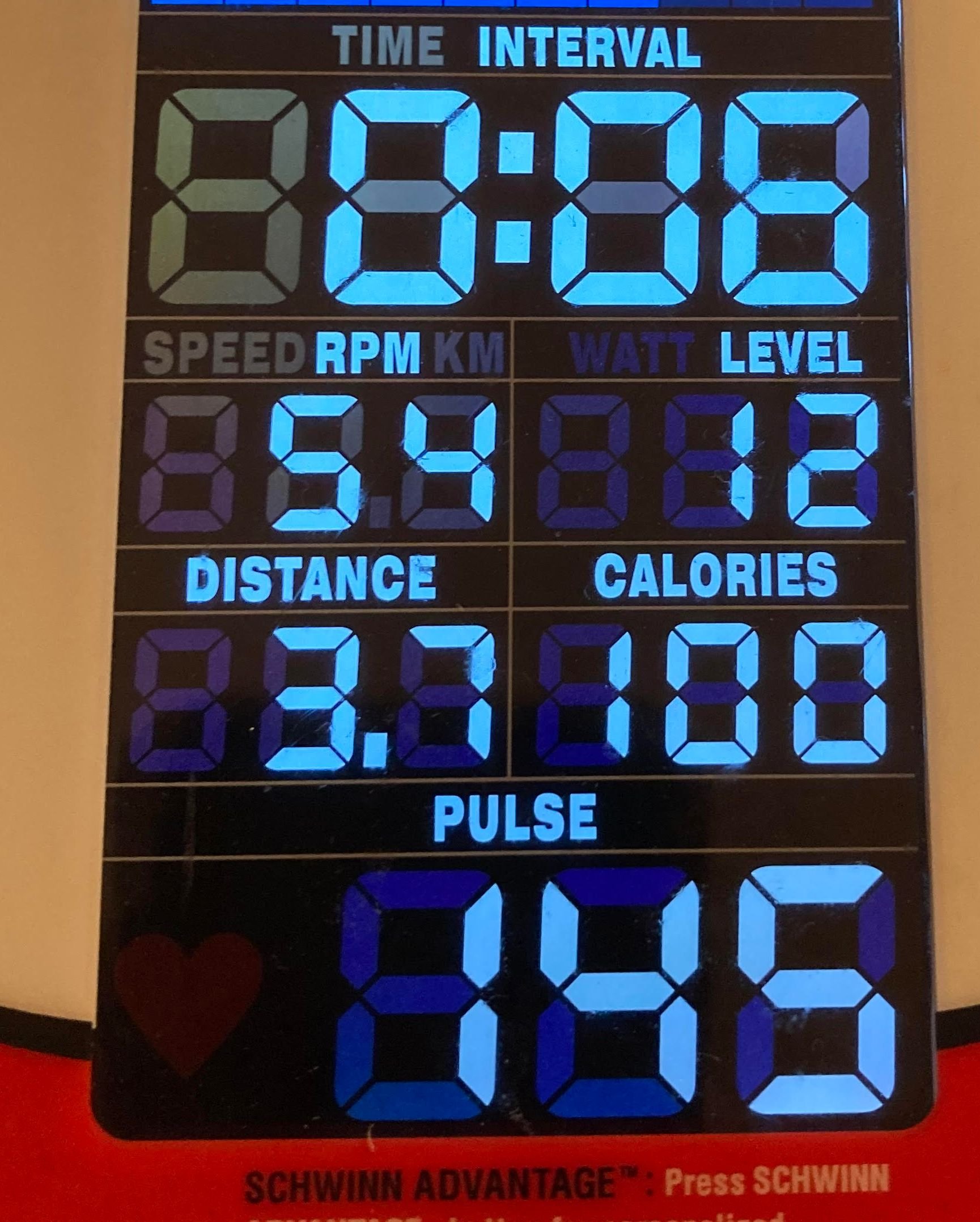
My Heart Rate during my normal cardio workout session on my stationary bicycle. Periodically I workout in elevated temperatures to condition myself for working on my farm during Summer. My THR = (220 - 68) x 95%
The Relationship Between Blood Pressure and Pulse
These metrics are interconnected but not the same. Heart rate influences blood pressure through cardiac output (volume of blood pumped per minute). Faster heart rates can raise pressure if arteries do not dilate sufficiently. In healthy people, vessels often expand during activity to stabilize pressure. Both typically rise together during stress or "fight-or-flight" responses.
However, they can diverge—for instance, moderate exercise may elevate pulse significantly while blood pressure rises modestly. Chronically elevated resting heart rates are linked to higher blood pressure and increased cardiovascular risk. Regular monitoring helps detect patterns, but professional evaluation is essential for abnormalities.
Target Pulse During Cardio Exercises (Target Heart Rate) THR
Exercise safely challenges the cardiovascular system by elevating heart rate. The target heart rate zone depends on age and fitness level.
A common estimate for maximum heart rate is 220 minus ages. For moderate-intensity cardio (brisk walking, cycling), aim for 50–70% of maximum. For vigorous activity (running, swimming), target 70–85%. Examples (approximate):
Age 30: Max ~190 bpm; Moderate zone 95–133 bpm; Vigorous 133–162 bpm.
Age 50: Max ~170 bpm; Moderate zone 85–119 bpm; Vigorous 119–145 bpm.
Formula THR= (220 - Age) x 0.85
Always warm up, stay hydrated, and consult a doctor before starting, especially with existing conditions. Tools like fitness trackers or chest straps provide real-time feedback.
Consistent cardio strengthens the heart, often lowering resting pulse and blood pressure over time. Combine strength training, a balanced diet low in sodium, stress management, and adequate sleep for best results.
In conclusion, aim for blood pressure below 120/80 mmHg, resting pulse 60–100 bpm, and exercise heart rates in the 50–85% range tailored to your age and goals. These targets promote efficiency and resilience. Regular check-ups and personalized advice from healthcare providers ensure safe, effective progress toward lifelong heart health.
My BOOKS ON AMAZON KINDLE AVAILABLE IN E-BOOK AND PAPERBACK: