A New Twist on the Traditional Green Bean Casserole in Just 8 Minutes
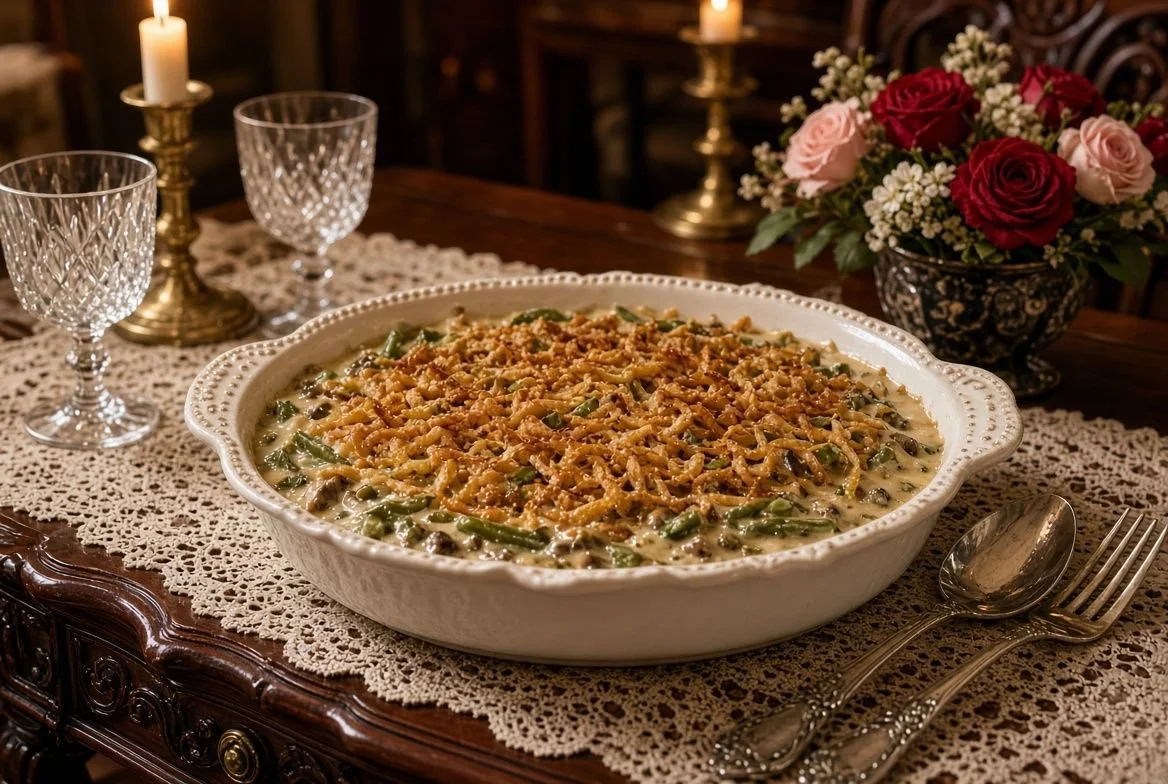
You will not be able to differentiate from the Traditional Green Bean Casserole
A holiday table often feels incomplete without a bubbling green bean casserole. This version keeps the familiar comfort of tender beans and crisp onions but swaps the usual cream-of-mushroom base but this version offers a twist with sliced Kraft® Velveeta Queso Blanco Cheese. The result is a side dish that comes together in minutes and still tastes like the classic.
Simple Directions
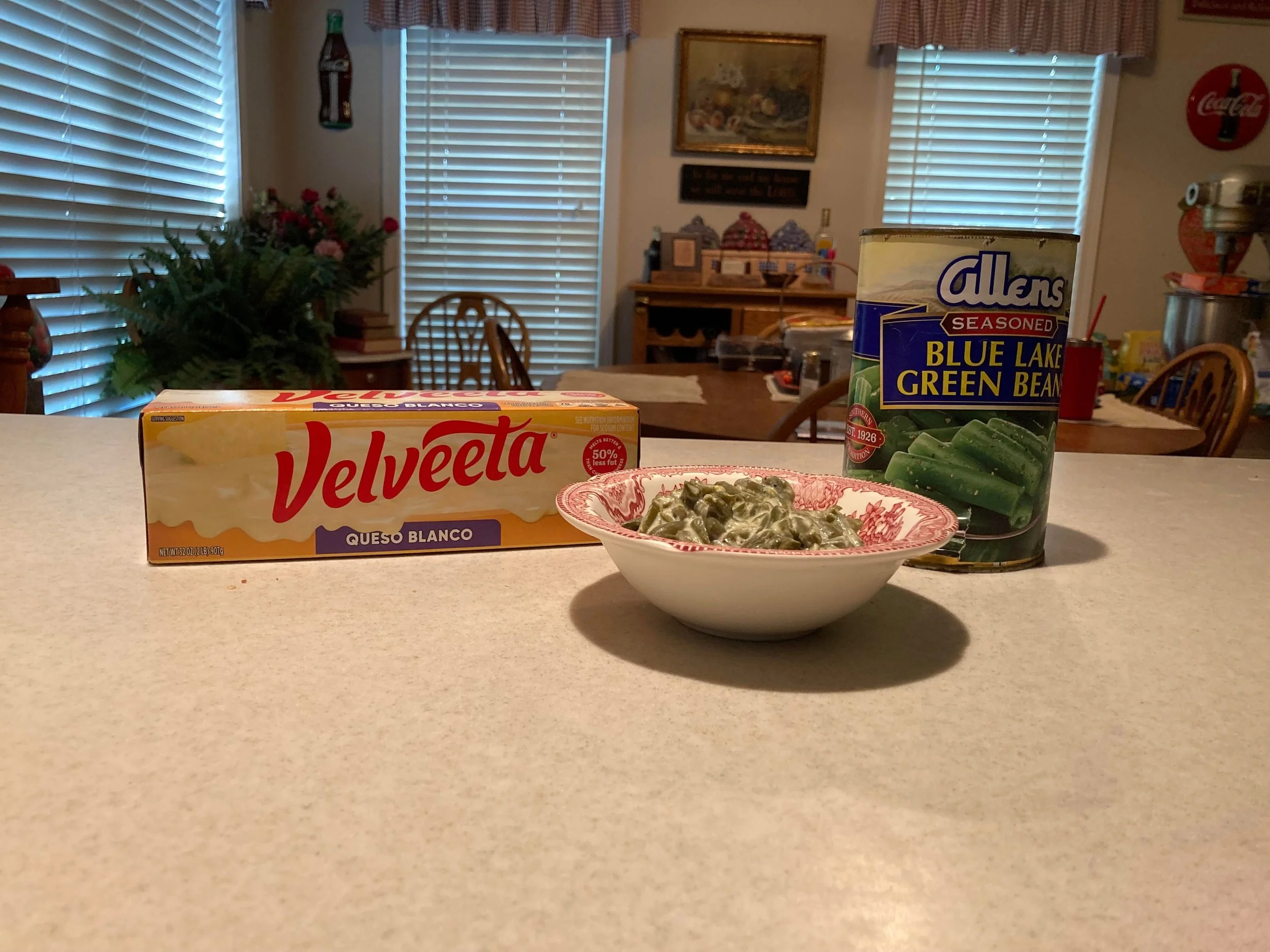
Start with a 38-ounce can of Allen Season Blue Lake green beans, drained thoroughly so the dish does not turn watery. Arrange the beans in a microwave-safe 2-quart bowl.
Use a cheese slicer to cut six to seven slices of Velveeta Queso Blanco and lay them over the beans. Season to taste with Cavender’s Greek Seasoning.
Cover the bowl and microwave on high for six minutes. After heating, stir the melted cheese and a half-cup of French’s Kosher Original Crispy Fried Onions evenly through the beans. Serve immediately on a hot-plate protector.
INGREDIENTS:
The ingredient list on the Queso Blanco includes skim milk, milk, canola oil, milk protein concentrate, whey, and whey protein concentrate. Those dairy proteins add richness and a modest protein boost to vegetable sides. Dairy and whey are protein-rich foods that can support satiety.
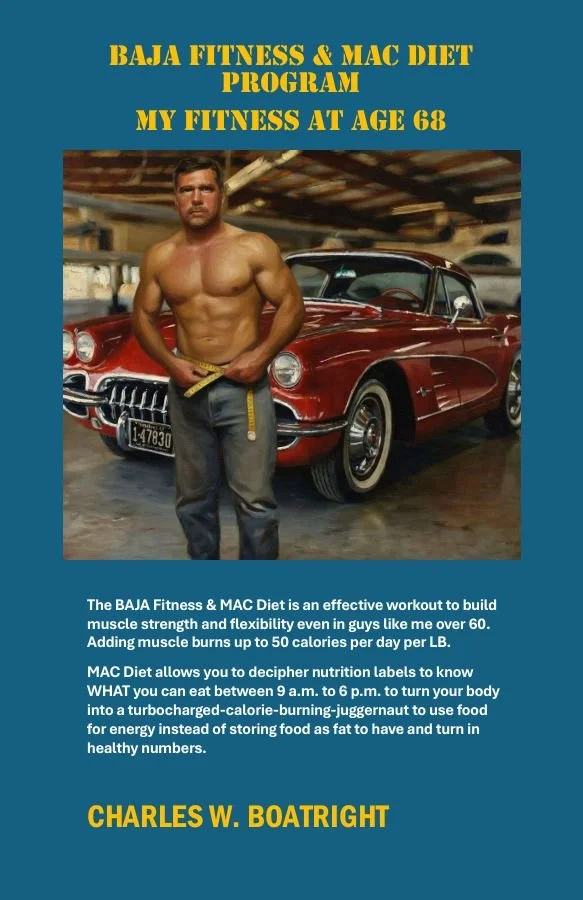
I developed this recipe to help me maintain my abdominals and waistline while I recovered from back surgery. My diet consisted of cheese-topped vegetable dishes, skinless chicken breast, and pinto beans, which helped me maintain fitness during recovery.

MY NEW BOOK, GOLFER’S POWER MATRIX, IS RELEASED TODAY

The GOLFER’S POWER MATRIX is more than a book on developing a confident and consistent golf game from tee to green. It also covers health and fitness, helping parents incorporate sports into their child’s homeschooling curriculum, and using the sport of golf to help those dealing with PTSD through OPERATION DOG TAG. My book is available on Amazon Kindle.
Eighty percent (80%) of reaching or maintaining a healthy weight and waistline is diet, and that was an advantage for me during recovery. Consistently, over four months of recovery, I was able to retain my waistline of 29.50 inches.
Now back in the gym at full strength, I still use the same Queso Blanco as a topping for green beans and other vegetables. This is my personal experience, not medical advice.GLP-1 is a hormone the body produces. Protein-rich foods such as milk, eggs, and cheese may support that process.
The Advantages of the 8-Minute Green Bean Casserole
What makes the dish appealing for holidays and weeknights alike is how little it asks of the cook. There is no roux, no canned soup, and no oven. The melted Queso Blanco coats the beans in a creamy layer that many tasters will not distinguish from a traditional casserole.
That is just one advantage. The 8-Minute Green Bean Casserole has a MAC score of 2.49, a nutrition note for those tracking meals.
Leftovers reheat quickly; add a few extra onions just before serving so they stay crisp.
Holiday menus are full of dishes that take hours. This one does not. Drain the beans, slice the cheese, season, microwave, stir, and top with onions. The familiar combination of green beans, creamy topping, and fried onions is still there.
The difference is speed and a dairy-forward sauce instead of a soup base.
Place the bowl on the table while it is still hot. The cheese will cling to the beans, the onions will stay crunchy on top, and guests who expect the classic casserole will recognize the same comfort. For lunches and dinners, the rest of the year, the same eight-minute method works with whatever green vegetables are on hand.
Keep the seasoning light, slice the cheese rather than cube it so it melts evenly, and add the onions at the end.
That is the twist: fewer ingredients, less time, and a side that still belongs next to the roast, turkey, or steaks.
Food sources to help the body produce it own GLP-1:
Eggs and egg whites
Greek yogurt, cottage cheese, kefir
Fatty fish (salmon, mackerel, sardines)
Poultry and lean meats
Legumes (lentils, chickpeas, beans) and soy foods
Oats and barley (beta-glucan)
Beans, lentils, and other legumes
Green (unripe) bananas
Cooked-and-cooled potatoes or rice
Chia and flax seeds
Prebiotic vegetables: onions, garlic, leeks, asparagus, artichokes, Brussels sprouts
Apples, pears, and berries
Extra-virgin olive oil
Avocados
Nuts (almonds, walnuts, pistachios, peanuts)
Seeds and fatty fish (overlap with the protein list)