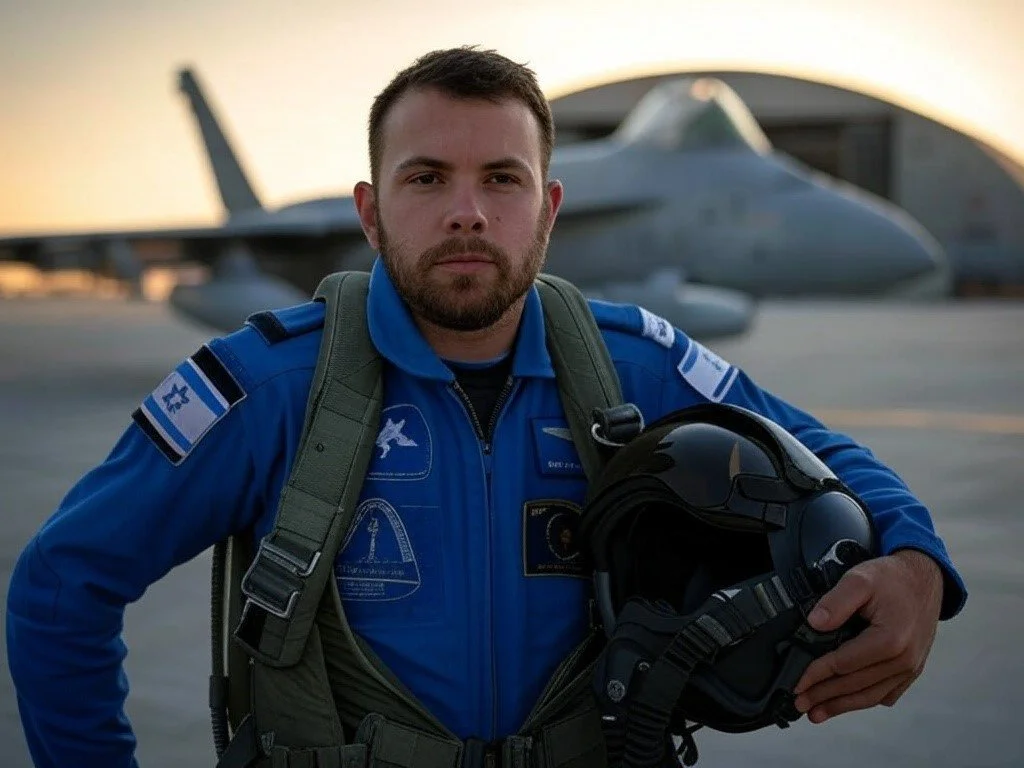
The Sayeret Warriors of Rephaim
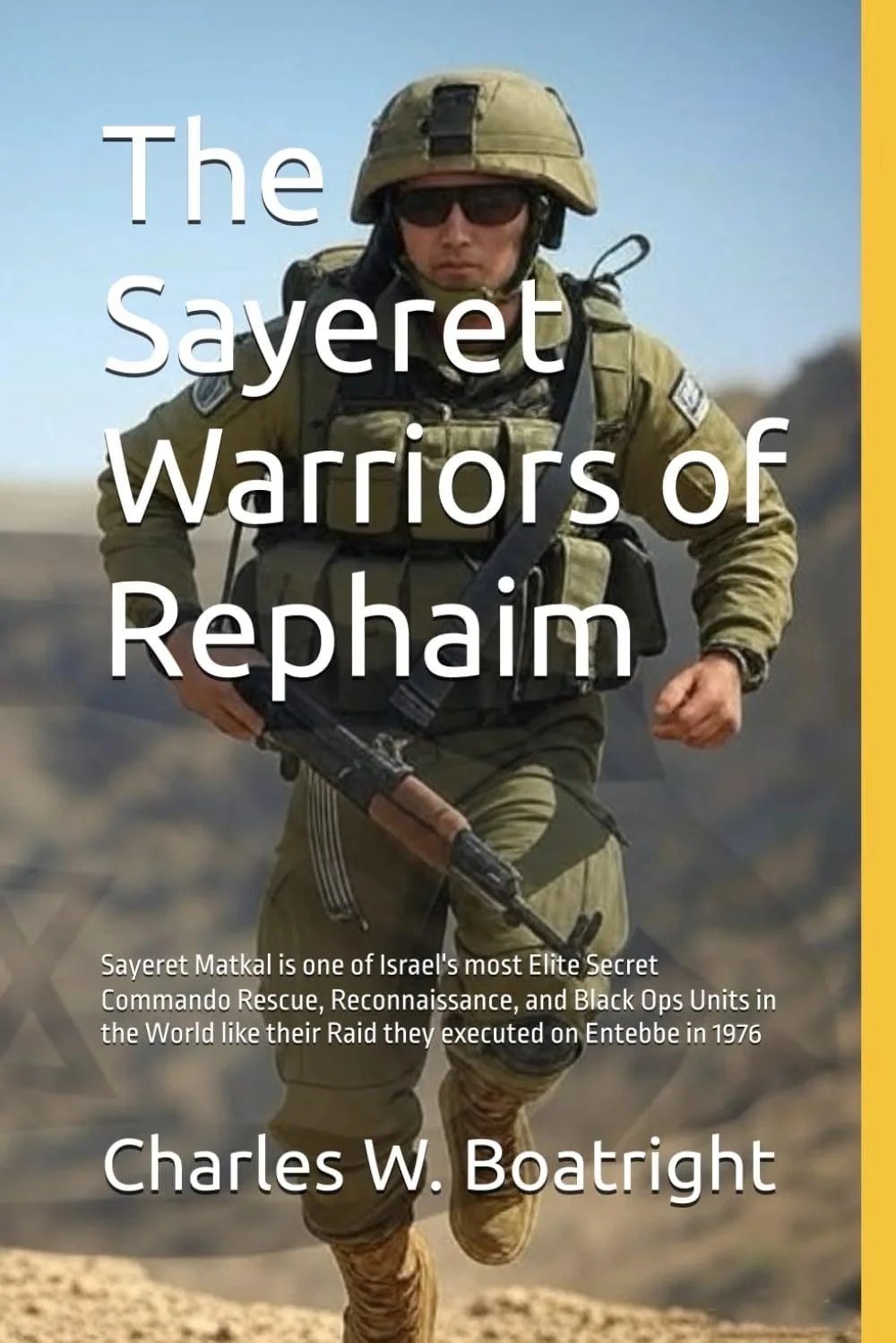

The Sayeret Warriors of Rephaim by Charles W. Boatright opens on a unit whose name still carries weight far beyond Israel: Sayeret Matkal, the General Staff Reconnaissance Unit. Formed in 1957 under Major Avraham Arnan and modeled on the British Special Air Service, it was placed under the direct command of the Israeli General Staff. Its brief has long been the hardest work a small force can be given—hostage rescue, deep reconnaissance, and missions kept from public view until long after the fact. Boatright uses that real lineage as the ground operations for a novel, then steps into fiction.
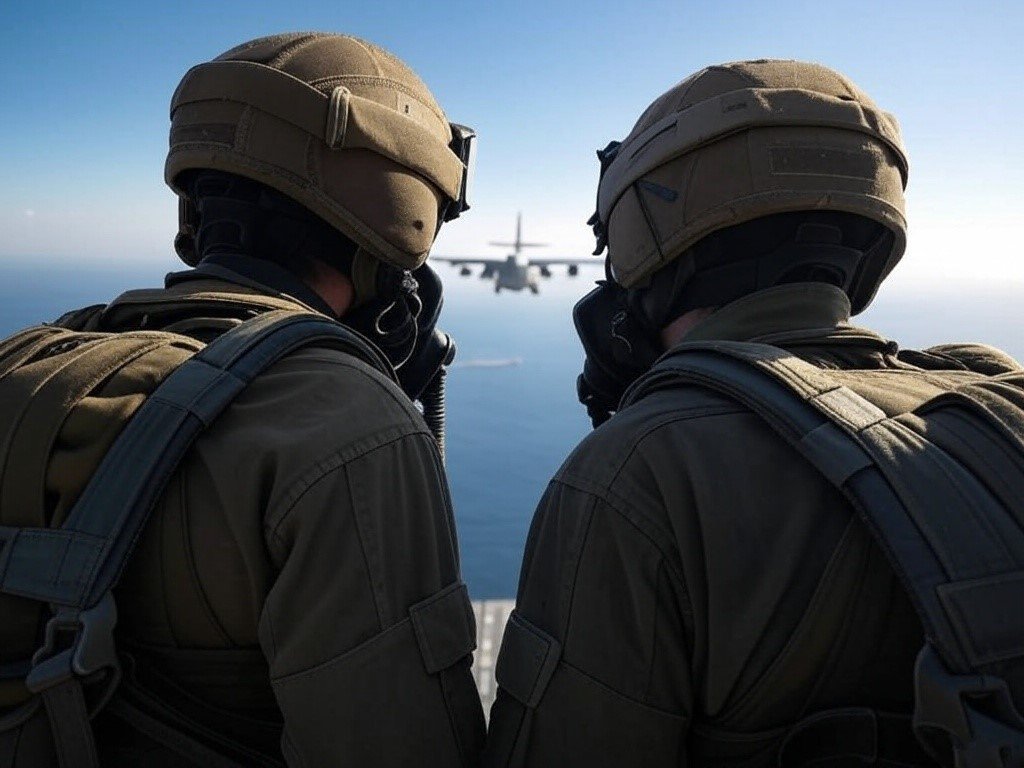
The historical anchor is the raid on Entebbe. On July 4, 1976, hijackers held the passengers of a French airliner at Entebbe Airport in Uganda. A Sayeret Matkal assault element of about twenty-nine operators, led by Lieutenant Colonel Yonatan Netanyahu, flew the distance, struck the terminal, and brought most of the hostages out. Netanyahu, brother of future prime minister Benjamin Netanyahu, was killed in the action. The raid became the unit’s public signature: long reach, tight planning, and a willingness to accept loss in order to recover the living. Boatright treats that night not as a manual but as the measure against which his characters are drawn.
The title reaches further back than 1976. In biblical memory the Rephaim appear as ancient warriors of unusual stature, and in other texts as shades of the dead. Boatright borrows the name for operators who move between those meanings: men sent into places most armies will not enter, and men who may not return. The Warriors of Rephaim are not a historical roster. They are the novel’s way of naming the standard Sayeret Matkal has come to represent—selection so severe that the unit stays small, training that assumes the plan will break, and command that answers to the General Staff rather than to a publicity cycle.
At the center of the story are two fictional officers, Lieutenant Colonels Max Sotenberg and Yigael Rosenstraus. Boatright places them in their mid-thirties and writes them with the surface polish of a screen hero, then sets that polish against the unit’s actual habits: language work, night movement, rehearsal until the sequence is boring, and the refusal to confuse courage with noise. They are not substitutes for Yonatan Netanyahu or for the operators who flew to Entebbe. They invent leads through whom the book can stage rescue, reconnaissance, and black operations without claiming to open a classified file.
The introduction Boatright offers is therefore double. One strand is the public record: a unit stood up in 1957 on the SAS pattern, held close to the General Staff, and proven in the Entebbe rescue. The other is invention: Sotenberg and Rosenstraus, and the Rephaim as a name for the burden those missions place on the people who carry them. Readers are asked to keep the two strands distinct. Entebbe remains a documented raid. The novel’s firefights, covers, and personal wars are the author’s.
What the book argues, beneath the pace of a thriller, is that elite status is not a costume. It is a chain of selection, repetition, and accountability that shows itself only when hostages are still alive and the runway is hostile. The Sayeret Warriors of Rephaim invites the reader into that chain through fiction, while keeping the 1976 raid as the fact that gives the fiction its weight.