Why Monitoring Your Blood Pressure is Essential

Following a Healthy Diet, and Exercising Are Critical for Managing Blood Pressure and Cardiovascular Health
High blood pressure, or hypertension, is often called a silent killer without obvious symptoms. Yet its effects are far-reaching. Lowering or maintaining healthy blood pressure protects far more than the heart and reduces stroke risk. It supports kidney function, brain health, vision, metabolic balance, and overall quality of life while lowering long-term healthcare costs.
A blood pressure monitor is one of the least expensive health devices that can be purchased that has a huge impact on our health and fitness that I use every night. Consistently blood pressure monitoring combined with a healthy diet and regular exercise is the cornerstone of an effective health and fitness program.
I am blessed that I am not on any prescribed medication of any type or kind. I consider my diet and my most important medication and my fitness as my physical therapy.
Researchers have shown a correlation between blood pressure and other risk factors. One is total cholesterol where elevated high blood pressure readings can indicate high cholesterol that can coexist. Even at only mildly high blood pressure levels can lead to cardiovascular issues. Left unchecked elevated blood pressure can contribute to heart attack, stroke, and a whole host of other health issues.
I use my blood pressure readings and my waistline measurements to monitor my diet if I need to alter or make changes in my diet that I consider my medical treatment. My goal is to stay off prescribed medications; because all medications have side effects even our diet has side effects.
A healthy diet is one of the most effective non-pharmacological tools for healthy blood pressure control and other health issues. Emphasizing fruits, vegetables, whole grains, lean proteins, and low-fat dairy while limiting sodium, saturated and Trans-fats, and restricting as much of my added sugars helps me keep my blood pressure in a safer range.
There are a lot of discussions about GLP-1 supplements to control weight, diabetes, and even the aging process. You don’t have to take GLP-1 in a supplement to receive its benefits. Your diet of those foods mentioned in the previous paragraph is all you need. My MAC (Macronutrients) Diet has a scoring system that isolates these GLP-1 food sources that your body can metabolize to maintain a healthy waistline (take half of your height and keep your waistline at or below that).
Macronutrients- is a diet consisting of high protein, high fiber, Omega 3/6/9 fatty acids, complex carbohydrates, and limited fructose foods that are characteristics of GPL-1 Foods. One of my main GPL-1 foods is the basic Pinto Beans with a jalapeños pepper for the benefits of Capsaicin that has been studied for various potential benefits, including support for skin and hair health. It can promote circulation and may help maintain a healthy scalp while topical or dietary exposure is sometimes linked to antioxidant activity that benefits skin.
Charles Barkley described how he lost 45- pounds in six months. In 2014 when I formulated my MAC Diet, I lost 6 inches in my waistline (or 45 pounds) in just three months.
Reducing salt intake alone can produce measurable drops in blood pressure for many people. These same dietary patterns also improve cholesterol profiles, support healthy weight, and reduce systemic inflammation—benefits that further protect the cardiovascular system.
Because excess weight raises both blood pressure and the strain on the heart, modest weight loss achieved through better eating and fitness often yields dual improvements in blood pressure readings and overall cardiovascular risk.
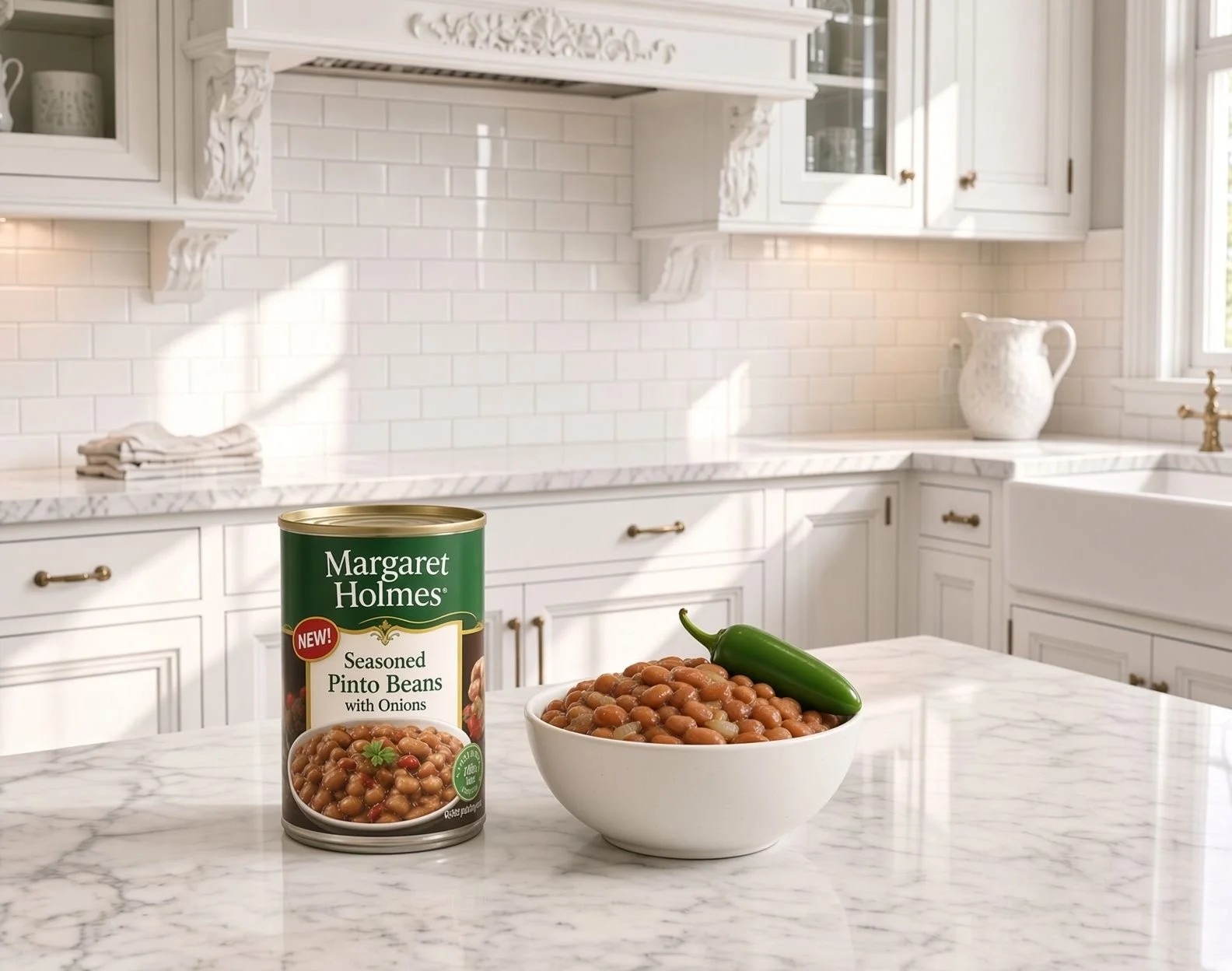
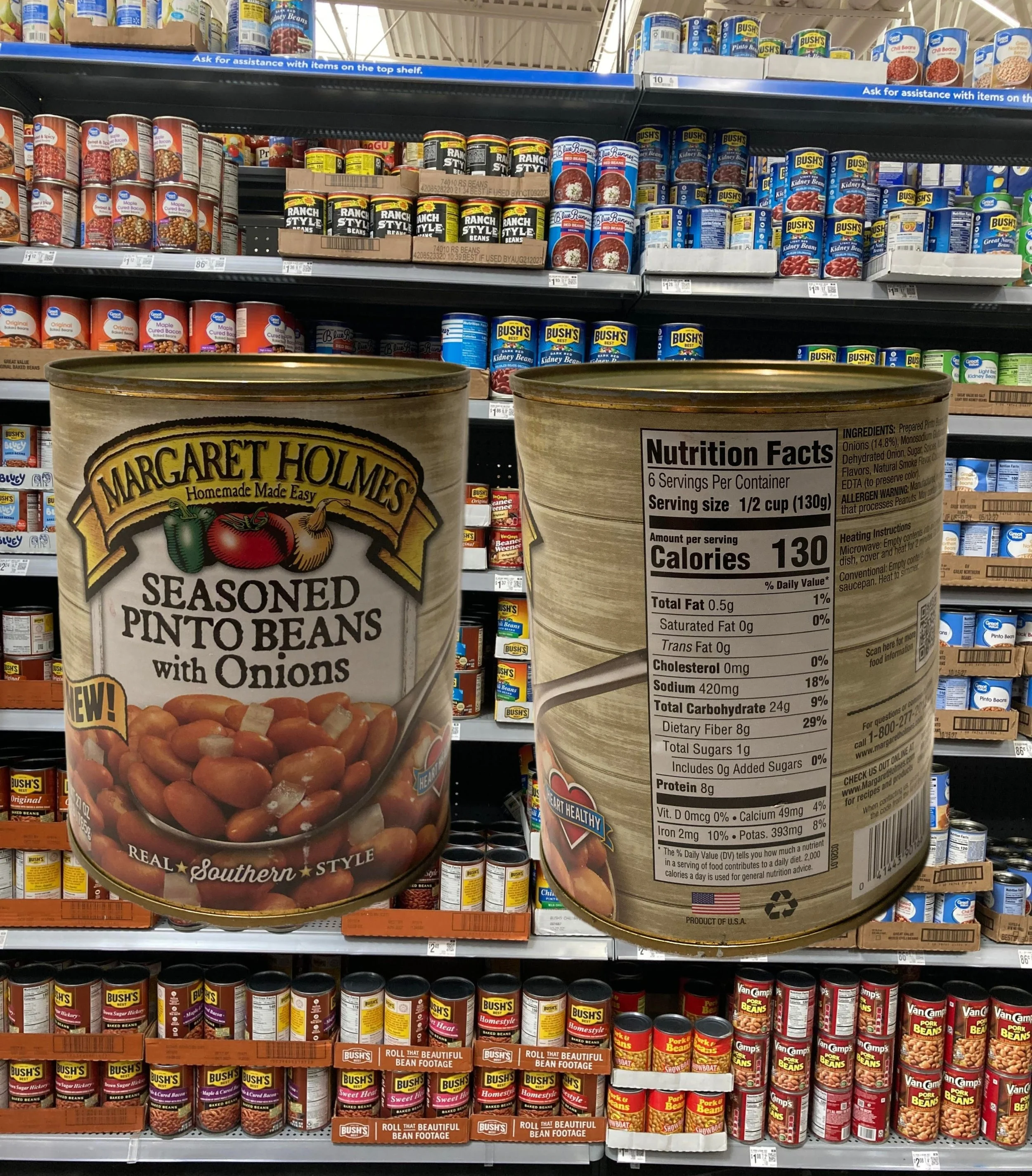
My main entree or side dish that I have for ALL of my lunches and dinners. Pinto Beans have a MAC Score of 2.24. Pinto Beans are consider the perfect food. I personally prefer Margaret Holmes Seasoned Pinto Beans with Onions

Exercise complements diet by strengthening the heart, improving endothelial function (the health of blood vessel linings), and enhancing insulin sensitivity. Aiming for at least 150 minutes of moderate-intensity activity each week—brisk walking, swimming, cycling, or similar—helps lower resting blood pressure over time (that is working out for 25- minutes six times a week).
Physical activity also supports healthy weight maintenance and reduces inflammation and oxidative stress. Also, strength training allows our muscles to release a natural growth hormone that contains collagen that provides age-defying skin. In the featured photograph with my blood pressure reading, I am 68 years old.
Together, diet and exercise create a synergistic effect: the heart works more efficiently, blood vessels remain more flexible, and the risk of plaque buildup declines.
The benefits of controlled blood pressure extend well beyond the heart. High blood pressure damages the small blood vessels in the kidneys, impairing their ability to filter waste and regulate fluid balance. Keeping pressure in check helps preserve kidney structure and function, slowing or preventing the progression of chronic kidney disease and reducing the risk of kidney failure, especially important for people who also have diabetes or other kidney risk factors.
Stable blood pressure supports healthy cerebral blood flow, lowering the risk of cognitive decline and dementia in addition to reducing stroke risk. In the eyes, elevated pressure can harm delicate retinal vessels and contribute to vision loss; control helps protect retinal health. Metabolic benefits often accompany blood pressure management: healthier weight, improved cholesterol, and lower inflammation reduce the likelihood of type 2 diabetes and metabolic syndrome.
Many people also experience practical daily gains—better energy, fewer headaches, and greater ease with everyday activities—particularly as they age, as in my case. Some research links high blood pressure to elevated risks of certain cancers, such as kidney and bladder cancer; managing pressure may help mitigate those associations.
At a broader level, controlled blood pressure lowers systemic inflammation and oxidative stress, factors implicated in many chronic diseases. From an economic and societal perspective, hypertension drives substantial preventable illness, hospitalization, and disability; effective control conserves healthcare resources and reduces the burden on individuals and families. Lower blood pressure can support better sleep, reduce stress, and improved mood, contributing to mental well-being.
The relationship between blood pressure and diabetes prevention further illustrates why these habits matter. Hypertension and type 2 diabetes share common drivers: poor diet, physical inactivity, excess weight, and aging. High blood pressure can damage blood vessels and kidneys that help regulate blood sugar, potentially contributing to insulin resistance and impaired glucose control.
Conversely, people with diabetes are more likely to develop hypertension. Lifestyle strategies that lower blood pressure therefore also reduce diabetes risk. A diet rich in GPL-1 whole foods and lower in sodium and added sugars stabilizes both blood pressure and blood sugar. Regular exercise improves insulin sensitivity while lowering pressure.
Maintaining a healthy waistline, limiting alcohol, avoiding tobacco, and managing stress through practices such as yoga or meditation further support both conditions. Regular monitoring of blood pressure (and blood sugar when appropriate) enables timely adjustments in partnership with healthcare providers. Never underestimate the significance of a healthy waistline!
In short, monitoring blood pressure provides the feedback needed to stay on track, while a healthy diet and consistent exercise deliver the physiological changes that keep reading in a safer range. These practices interrupt the interactive damage caused by elevated pressure and cholesterol, protect the kidneys, brain, eyes, and metabolic systems, improve daily energy and quality of life, and help prevent type 2 diabetes.
The result is not only a stronger cardiovascular system but also broader resilience against chronic disease and reduced long-term healthcare costs and having an age-defying lifestyle. Sustained attention to these three elements: of one’s diet, exercise and monitoring just your blood pressure remains one of the most accessible and powerful investments anyone can make into their lifelong health strategy.
A Healthy Blood Pressure should be 120/80 to 105/60
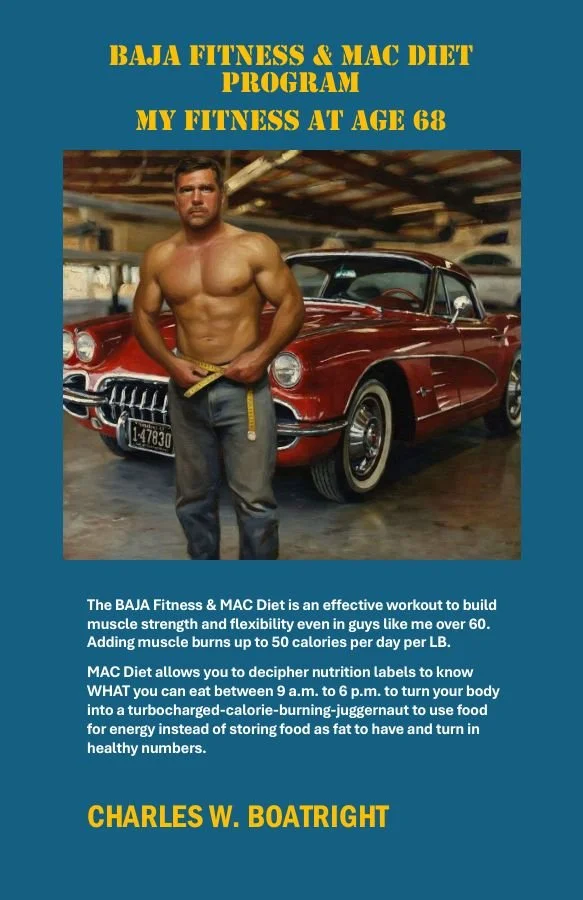
The BAJA Fitness & MAC Diet Program- How I lost 45-lbs. in 3 months and lost 6-inches in my Waistline:
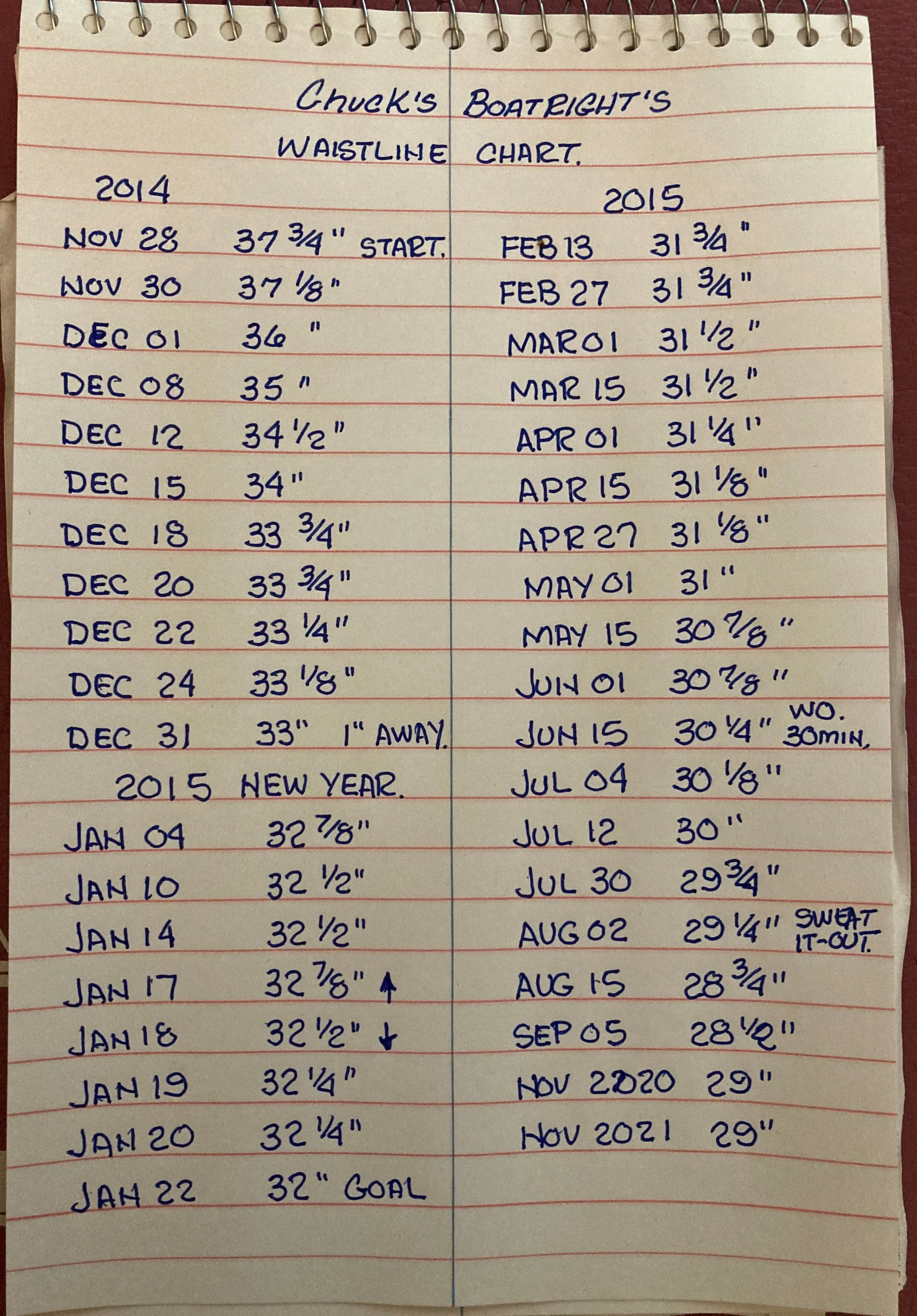
My actual Waistline Chart that I kept while I dropped my weight and my appearance of my age in three months.
How I Prepare my Pinto Beans: I have a high school buddy that called me about how I fix my weekly pot of pinto beans: I explained to him that I take two cans of MARGARET HOLMES PINTO BEANS with ONION add a can of Fritos Bean Dip and slow cook for 45- minutes. Let cool and place into a covered dish to store in the refrigerator to have cups of beans lunch and dinner as side dish or the main entree. A side of pinto beans goes great with a steak dinner. I used to use dry beans until I discovered- MARGARET HOLMES PINTO BEANS with ONION. Next option is CONAGRA- RANCH STYLE BEANS. Either one you will be pleased with for taste and for your health. NOTE: the bean dip give the beans a more down-home southern gravy taste.