The Lost Paradise at Kadesh-Barnea
The Lost Paradise at Kadesh-Barnea
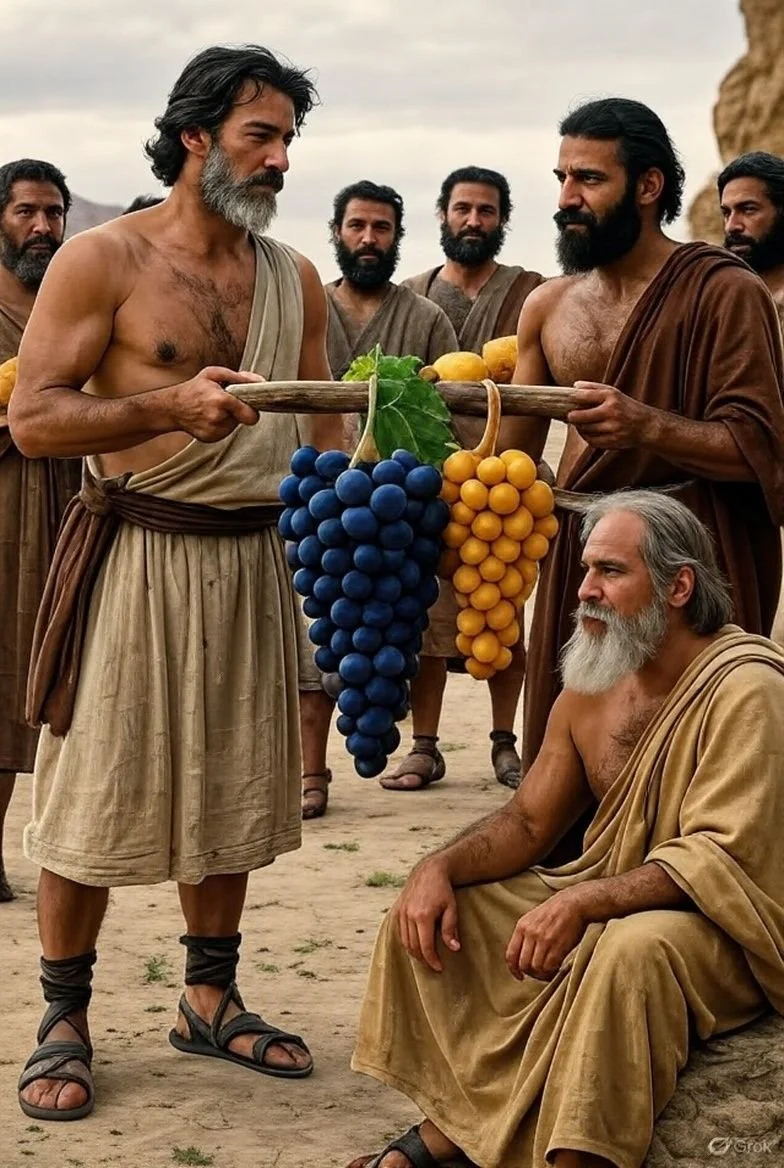
In the long record of Israel’s journey from bondage in Egypt to inheritance, few places carry the weight on the incident at Kadesh-Barnea. An oasis on the edge of the Wilderness of Zin, it stood within an eleven-day march of the land God had promised—close enough that scouts could return with grapes, pomegranates, and figs, and yet far enough that a single refusal of faith could turn the threshold into a sentence of death for a generation over the age of 19.
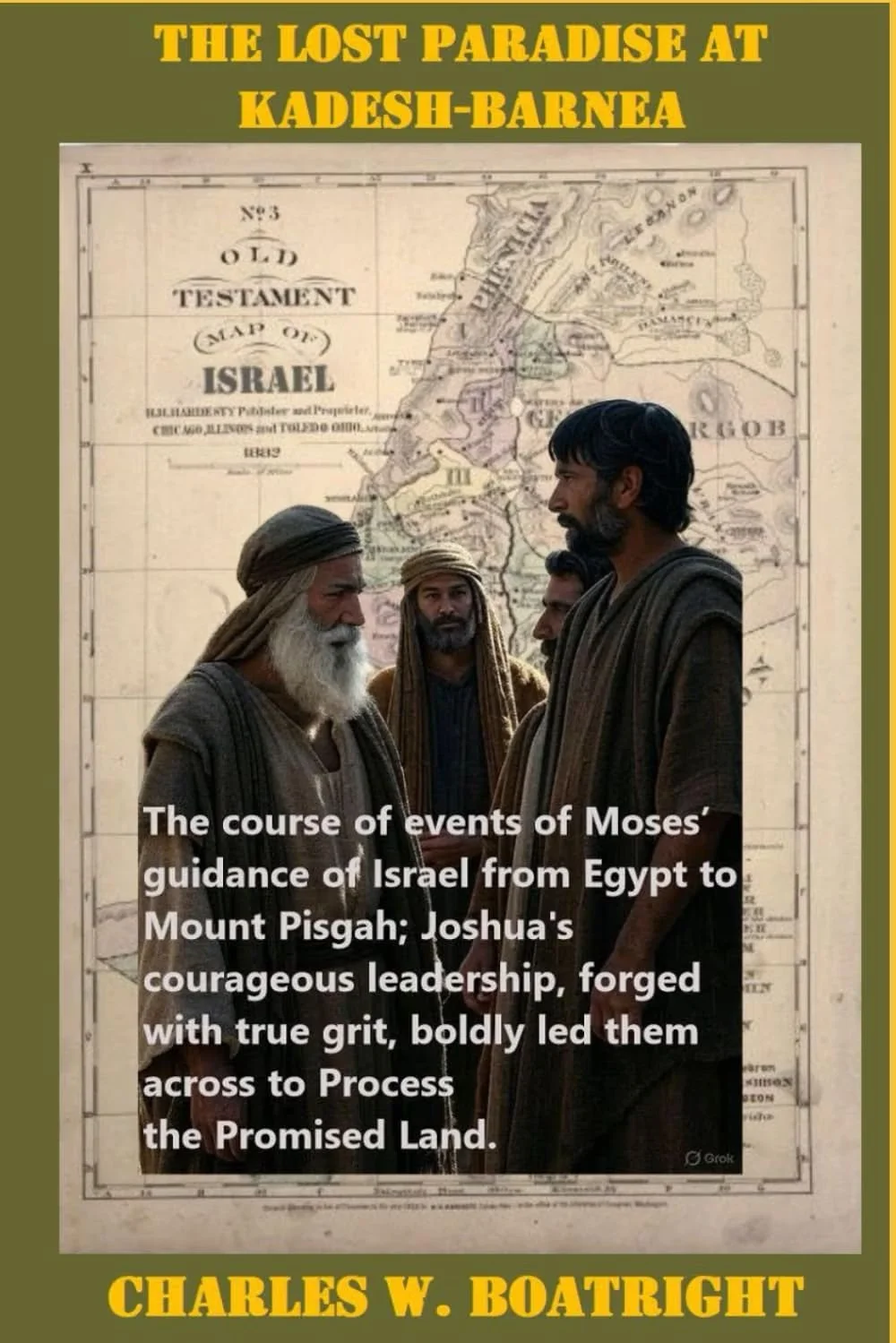
The Lost Paradise at Kadesh-Barnea treats that oasis not as a footnote in the wilderness itinerary but as the pivot of the story: the place where promise, testing, judgment, and preparation met, and where a generation learned, at terrible cost, the difference between standing on the promises of God of entering The Promise Land and Paradise Lost.
I published my book in December 2025, this book is a part of my Field Note Series, a sequence of nonfiction biblical studies written in an accessible, expedition-style voice. Rather than a technical commentary, it offers field notes for readers who want the narrative of the Exodus and the conquest set in historical and cultural context, with cross-references that keep the biblical text in view.
The tone is that of a guided journey is based on CliffsNotes-style clarity, part adventure chronicle—meant for both those new to the narrative and those who have walked it many times. I am a civil engineer by training and a technical writer a part of my job and now my hobby. I used that same writing technique to bring the biblical stories alive in the same manner as the adventure Raiders of the Lost Ark did written by Lawrence Kasdan, based on a story by George Lucas and Philip Kaufman.
I wanted bring people into the stories of the Bible that same way that brought millions into the theater to see Raiders of the Lost Ark to cover the books of the Old Testament that focuses on books of Exodus, Numbers, Deuteronomy, and Joshua.
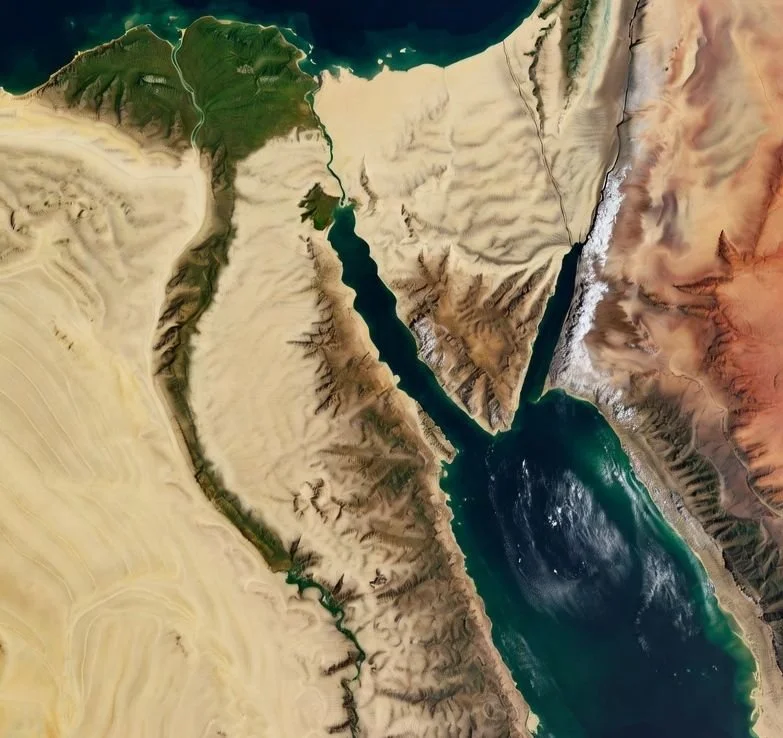
The account follows Moses’ guidance of Israel from Egypt to when Moses stood on Mount Pisgah where he was only allowed to only look into The Promise Land. The reason that Moses couldn’t entered The Promise Land wasn’t what most people think of Moses striking the second rock at Meribah but before the failed decision at Kadesh-Barnea. It is plainly written in Numbers 14:30. Moses did struck the second rock later in Number 20:8.
Even the 1956 Cecil Blount DeMille movie, The Ten Commandments, stated what even some pastors believe that Moses wasn’t allowed to cross into The Promise Land because he struck the second rock at Meribah. In Numbers 20:8 it clearly states the real reason for Moses not being allowed to cross into The Promise Land until Jesus Christ spoke to Moses on the Mount of Transfiguration in Matthew 17:3 Just then there appeared before them Moses and Elijah, talking with Jesus..
It moves through the departure, the wilderness, and the long encampment at Kadesh-Barnea, the base from which the twelve spies were sent into Canaan. Ten spies returned with a report of fortified cities and formidable inhabitants; Joshua and Caleb returned with a different counsel of obstacles that can be overcome with God’s guidance.
The people’s refusal delayed entry into the land. Miriam died and was buried there. Water failed, and Moses struck the second rock when he had been told to speak to it, forfeiting his own passage into Canaan.
But the oasis of the lost paradise of testing and judgment: a place of water and shade that might have been the last camp before possession, and that became instead the long school of a generation that would not cross into The Promise Land.
The narrative does not end in the wilderness. It continues to Mount Pisgah, where Moses views the land that he cannot enter, and then shifts to Joshua’s leadership, formed alongside Caleb and marked by the courage the earlier generation lacked.
The new generation crosses the Jordan and begins to process the inheritance. Throughout, the book keeps returning to faith, fortitude, divine guidance, and resilience—not as abstract themes, but as the practical difference between that of FEAR and that of FAITH.
The Lost Paradise at Kadesh-Barnea invites the reader to stand again at that southern border, where an oasis looked like rest and proved to be a 40- year verdict of death to an entire generation, and where the next generation learned what the first had refused. It is an introduction to a site that still marks the distance between proximity to a promise and the decision to enter it.