Lifting Doesn’t Have to Be Heavy to Rewrite How You Age
As New Year’s resolutions approach, many people plan to “get back to the gym,” but why not get a jump start on your fitness now? A great move for both men and women is to pair your cardio training with strength training.
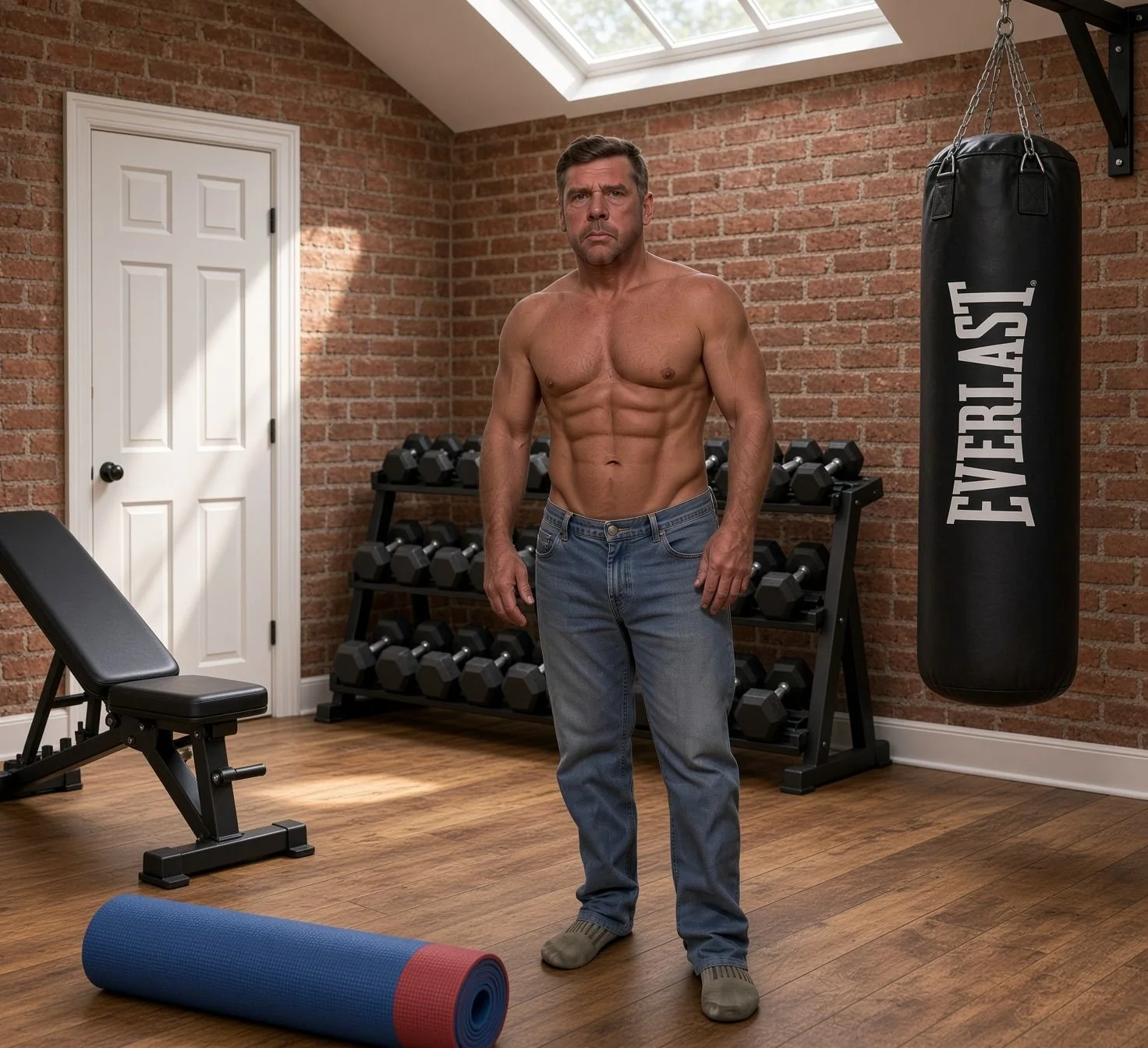
Fitness journalist Cori Ritchey’s recent Women’s Health piece, “Lifting Heavy Isn’t the Whole Story When It Comes to Building Strength,” highlights a key shift in the science: you do not need maximal loads or a garage full of barbells to build muscle, strength, or lasting health benefits. In my gym, I use dumbbells, with the heaviest at 50 pounds.
Since I often work out by myself, I can drop the dumbbells if I get into a bind, such as while benching.
Experts such as Stuart Phillips and Susie Reiner emphasize that what matters is training close to fatigue—typically leaving only one or two good-form reps in reserve. My lifting technique is to do 10 reps per set with a 30-second rest period between sets. Lighter loads taken near technical failure can produce similar hypertrophy to heavier ones, provided the effort is real and consistent. This is liberating news for anyone who finds heavy barbells intimidating, has joint issues, or simply prefers moderate weights.
Again, I use dumbbells for my strength training, and it is just as effective as powerlifting for the benefits I care about.
The benefits go well beyond bigger biceps or denser bones. One of the more surprising advantages is age-defying support for skin health. A 2023 randomized controlled trial published in Scientific Reports followed sedentary middle-aged women for 16 weeks. Both aerobic exercise and resistance training improved skin elasticity and upper dermal structure.
Only the resistance-training group, however, increased dermal thickness—the middle layer rich in collagen and structural proteins. The mechanism appears to involve reduced circulating inflammatory factors and increased expression of genes related to the extracellular matrix, including biglycan, which helps stabilize collagen.
This year I had back surgery to install rods between the L4 and L5 vertebrae. Part of the pre-surgery process was having a bone density test performed to make sure my bones could support the rods and fusion.
For a man my age, 68, bone density is typically expected to be between zero and negative one. My bone density was positive 1.16. My neurosurgeon was surprised that my bone density was that high.
NOTE FOR the HOLIDAYS: Allow yourself to enjoy your Family and Friends around the great food without watching your diet. But enjoy your food in moderation will go a long way in your health and fitness.
Philippians 4:5 Let your moderation be known unto all men. This is the best attitude to approach the Holiday Season!
Resistance training also triggers a temporary rise in growth hormone and other signals that support tissue repair and collagen turnover in bone and skin. While it is an oversimplification to say muscles “release a growth hormone that contains collagen,” the net effect is real: better support for the body’s ongoing repair processes.
Avoiding Slowing Cellular Replacement
Without consistent loading, muscle protein synthesis and cellular repair slow after the mid-30s and decline more sharply later in life. Strength training counters this by stimulating satellite cells, improving mitochondrial function, and reducing markers of cellular senescence in muscle and other tissues. Research shows that older adults who train can partially reverse some of the molecular signatures of aging in skeletal muscle and maintain function that sedentary peers lose.
My Fitness Program at Age 12
I started lifting at age 12 to support athletics. Decades later, at 68, that habit is still paying dividends in strength, energy, and the way my body recovers. The feature photograph above is of me—evidence that the benefits do not have an expiration date. Both men and women respond well to progressive resistance training; relative gains in muscle are comparable when effort is matched.
There is also a practical metabolic benefit, especially around the holidays. Steady-state cardio typically burns more calories during the session only. Strength training, however, elevates excess post-exercise oxygen consumption (EPOC) for hours afterward—sometimes six to twelve hours or longer, depending on intensity and volume.
Guys, this is a great time to start a fitness program that includes strength training to get a jump start on your New Year’s Day resolutions.
Strength Training for the Afterburn Effect
The calorie afterburn effect of strength training increases your resting metabolism for up to 12 hours, which is particularly useful when family gatherings and richer meals arrive. You continue burning a bit more while you are socializing or resting.
You Don’t Have to Become a Power-lifter
None of this requires becoming a powerlifter like I was in high school to play football. Two to three sessions per week, using dumbbells, bands, or body weight, taken close to technical failure and progressed over time, is enough for most people.
Add your cardio training for heart health and endurance—especially a boxing bag workout. The result is stronger muscles and bones, better metabolic health, improved skin structure, and a body that keeps repairing itself well past your 60s, when many people assume decline is inevitable. It is not!
This year, instead of another all-or-nothing cardio resolution, build the foundation that includes strength training to change—and even reverse—how you age. Start where you are, train with intention, and let consistency do the rest. If all you can do is curl 10-pound dumbbells five times, guess what? That is where you start and build on your progress.
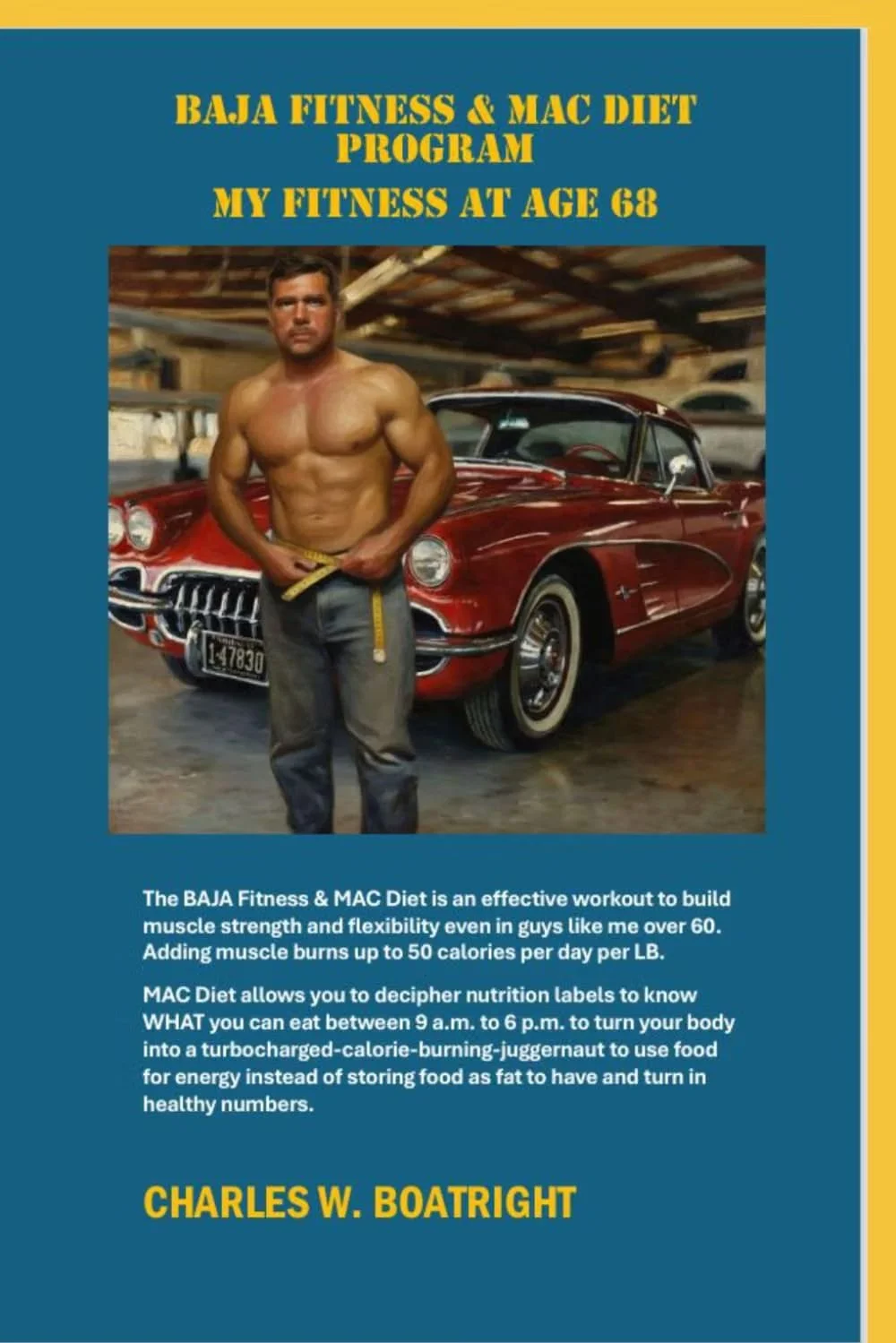
CHECKOUT MY COLLECTION OF FAITH BASE, HEALTH & FITNESS, & SPECIAL OPS BOOKS ON AMAZON KINDLE IN E-BOOK & PAPERBACK BOOKS: